

You’re built for better. So are we.
Platelet-Rich Plasma
(PRP) Therapy
Discover your body’s natural
healing potential with PRP.

Joint Pain Therapy, Built Around You
- Hand & Wrist
- Back & Neck
- Foot & Ankle
- Elbow
- Knee & Leg
- Hip & Thigh
- Shoulder
Start Your Journey
-
01Download Info
Get Informed
Discover your body’s natural healing potential with PRP.
-
02View FAQs
FAQs
Get answers to the most common questions about PRP therapy.
-
03Explore the Guide
Patient Guide
Let us take you through the PRP therapy process step-by-step.
-
04Schedule Online
Schedule A Visit
Your comeback begins now.
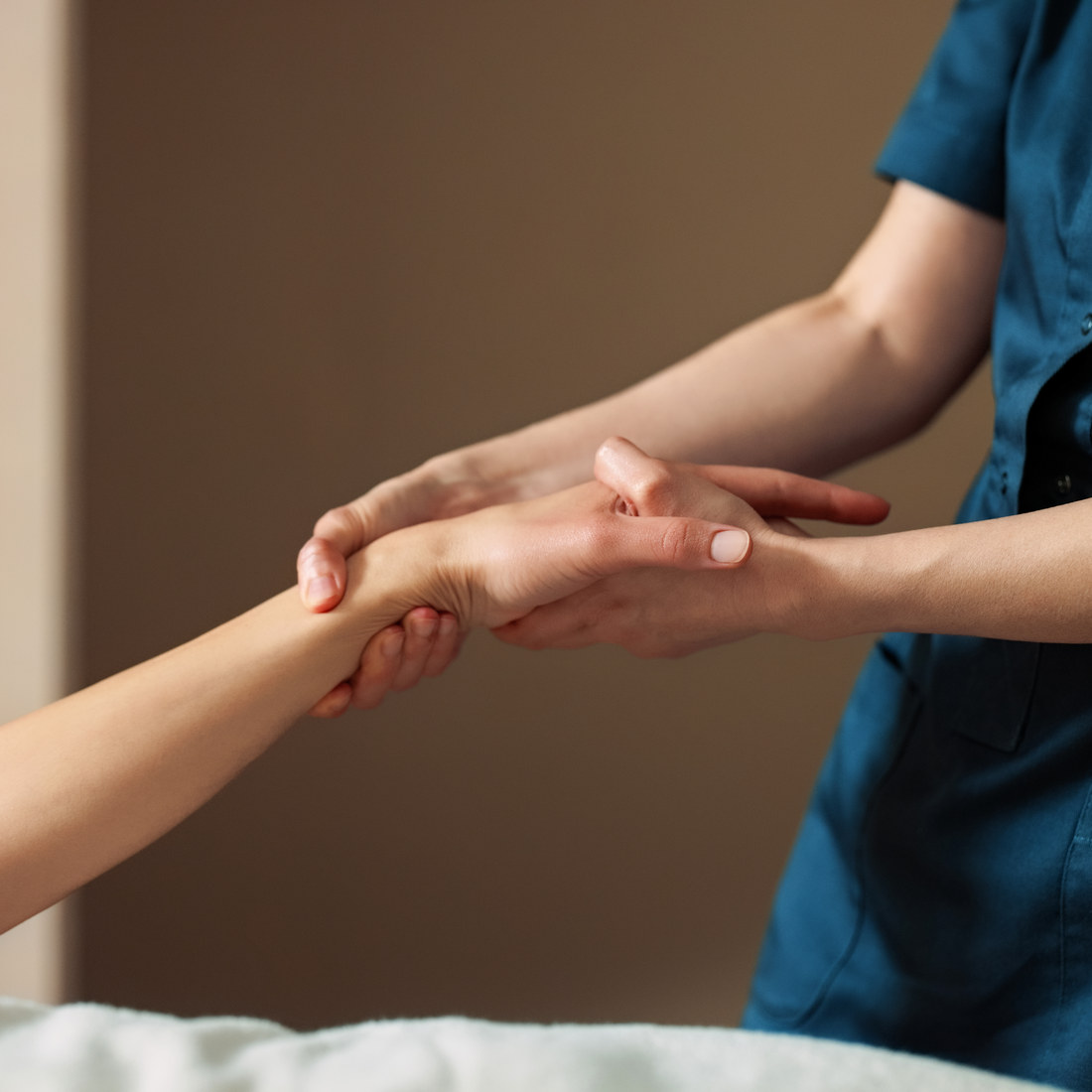
Personalized Care Plan
Your pain is personal. Your care plan should be too. As a candidate for PRP therapy, we can tailor a nonsurgical approach that uses your body’s own healing potential to help support recovery naturally, all with the guidance of our orthopedic experts who understand your goals.

Your Own Platelets.
Your Own Healing.
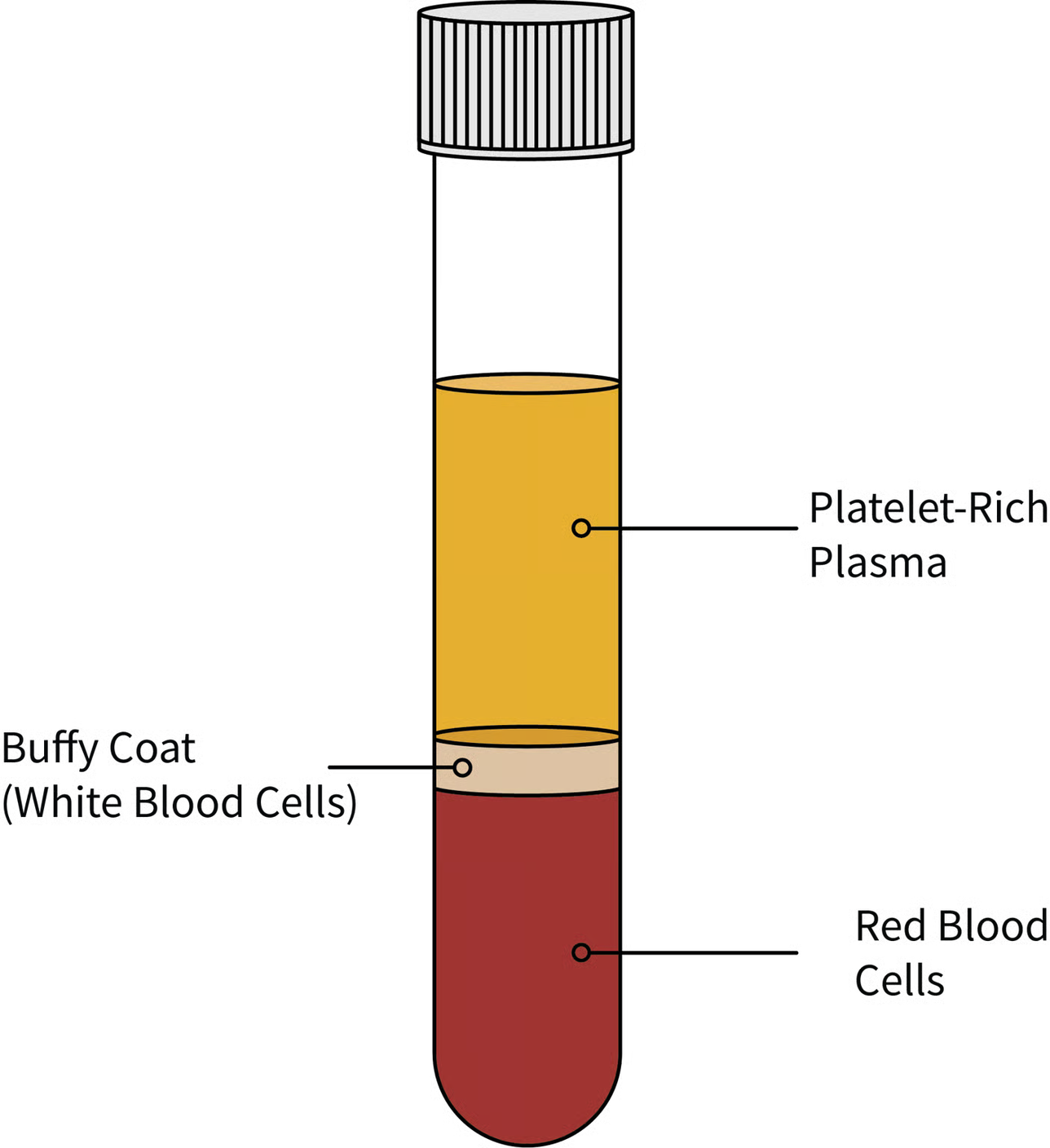
Platelet-Rich Plasma (PRP) therapy uses your body’s own natural resources to help support healing and recovery. During this nonsurgical process, a small amount of blood is drawn, platelets are concentrated, and then precisely injected into the area that needs support, such as an injured joint, tendon, or ligament.
How PRP Therapy Works
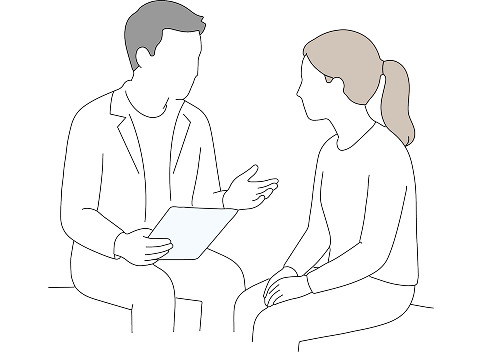
Your first PRP visit helps our orthopaedic experts design a personalized, nonsurgical care plan that uses your body’s natural healing potential to support recovery.
Length of Visit 30-60 minutes
PRP therapy begins with a simple blood draw to create a concentrated solution of healing platelets. That platelet-rich plasma is then injected back into the area to begin the healing process.
Length of Visit 45–90 minutes
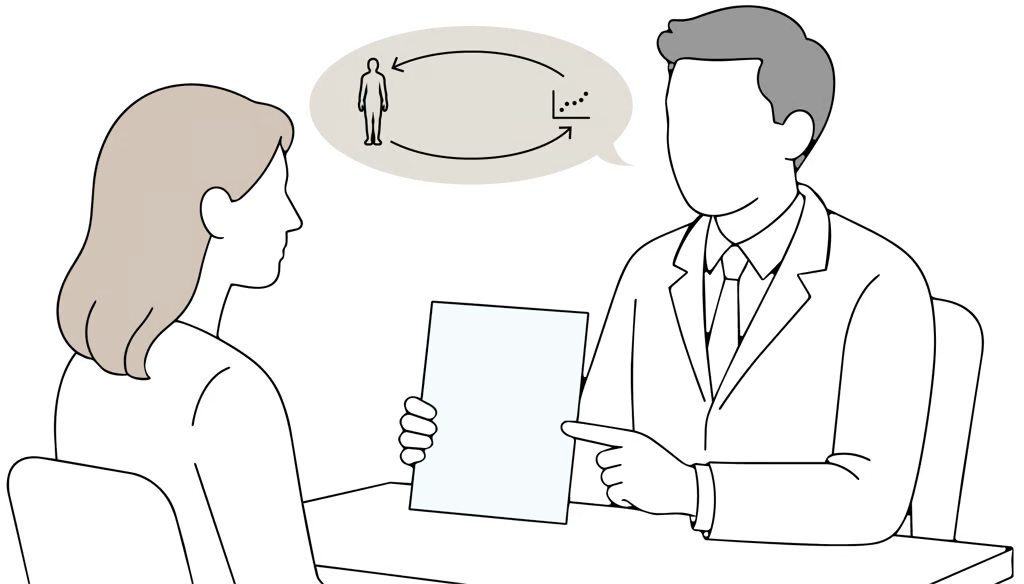
Because every body and injury responds differently, the pace of improvement is individual. Some see results within days while others see gradual improvement. Throughout your recovery, we’ll monitor your joint’s mobility and comfort, refine your care plan as you heal, and help rebuild damaged tissue to restore joint function.
Results Time From days to months
Voices Of Recovery
-
My doctor’s care and nonsurgical PRP therapy made all the difference.”
Michelle R. -
My doctor treated my torn Achilles with PRP, and the outcome was fantastic.”
Matthew S. -
I had a PRP injection for my tennis elbow with incredible results.”
Satisfied PRP Patient -
My doctor thoroughly discussed how PRP therapy fit into my nonsurgical options.”
Satisfied PRP Patient

FAQs
What is PRP therapy?
Platelet-Rich Plasma (PRP) therapy is a biologic treatment that uses a concentrated portion of your own blood, rich in platelets and growth factors, to support your body’s natural healing response. PRP is commonly used to help manage certain tendon, ligament, muscle, and joint conditions. PRP may help reduce pain and improve function for certain orthopaedic conditions when recommended by your physician.
How does PRP work?
After a small sample of your blood is drawn, it is processed to concentrate the platelets. The PRP is then injected into the injured or painful area using precise techniques, often with ultrasound guidance, when appropriate. The goal is to support your body’s natural repair processes.
Does a PRP injection hurt?
Most patients tolerate the procedure well. You may feel brief discomfort during the injection, similar to other joint or tendon injections. Some soreness for a few days afterward is common and is generally considered part of the body’s natural healing response.
How many PRP injections will I need?
Treatment plans are individualized based on your condition, symptoms, severity, activity level, and treatment goals. Some patients benefit from a single injection, while others may achieve better results with a series of treatments. Your physician will recommend the approach that’s right for you.
When will I start feeling better?
Because PRP works by supporting your body’s natural healing process, improvement is typically gradual rather than immediate. Some patients notice improvement within several weeks, while others continue to improve over the course of several months. Results vary depending on the condition being treated and individual factors.
Ready to Learn More? Still Have Questions?
If joint pain or tendon injuries are limiting your daily activities, schedule an evaluation with one of our board-certified orthopaedic specialists.
Together, we’ll determine whether PRP, or another evidence-based treatment, is the right approach for your condition.
Platelet-Rich Plasma (PRP) therapy is not approved by the U.S. Food and Drug Administration (FDA) for any particular indication. While the devices used to prepare PRP may be FDA-cleared for the production of platelet-rich plasma, the use of PRP as a treatment has not been evaluated for safety and efficacy by the FDA. For some patients, PRP may help improve pain and function as part of a comprehensive treatment plan. However, results vary, and PRP is not a replacement for surgery when surgery is medically indicated.
The information in this ad is provided for general informational and educational purposes only. It is not intended to be medical advice, diagnosis or treatment. Always contact your healthcare provider directly with any questions you may have regarding your health or specific medical advice before beginning a new treatment regimen. As with any medical treatment, individual results may vary and are not guaranteed. Not all patients will be eligible for nonsurgical therapy plans.